Day Games
One game a week, for a year.
Small enough to play in a day.
Not lessons. Not a course to complete.
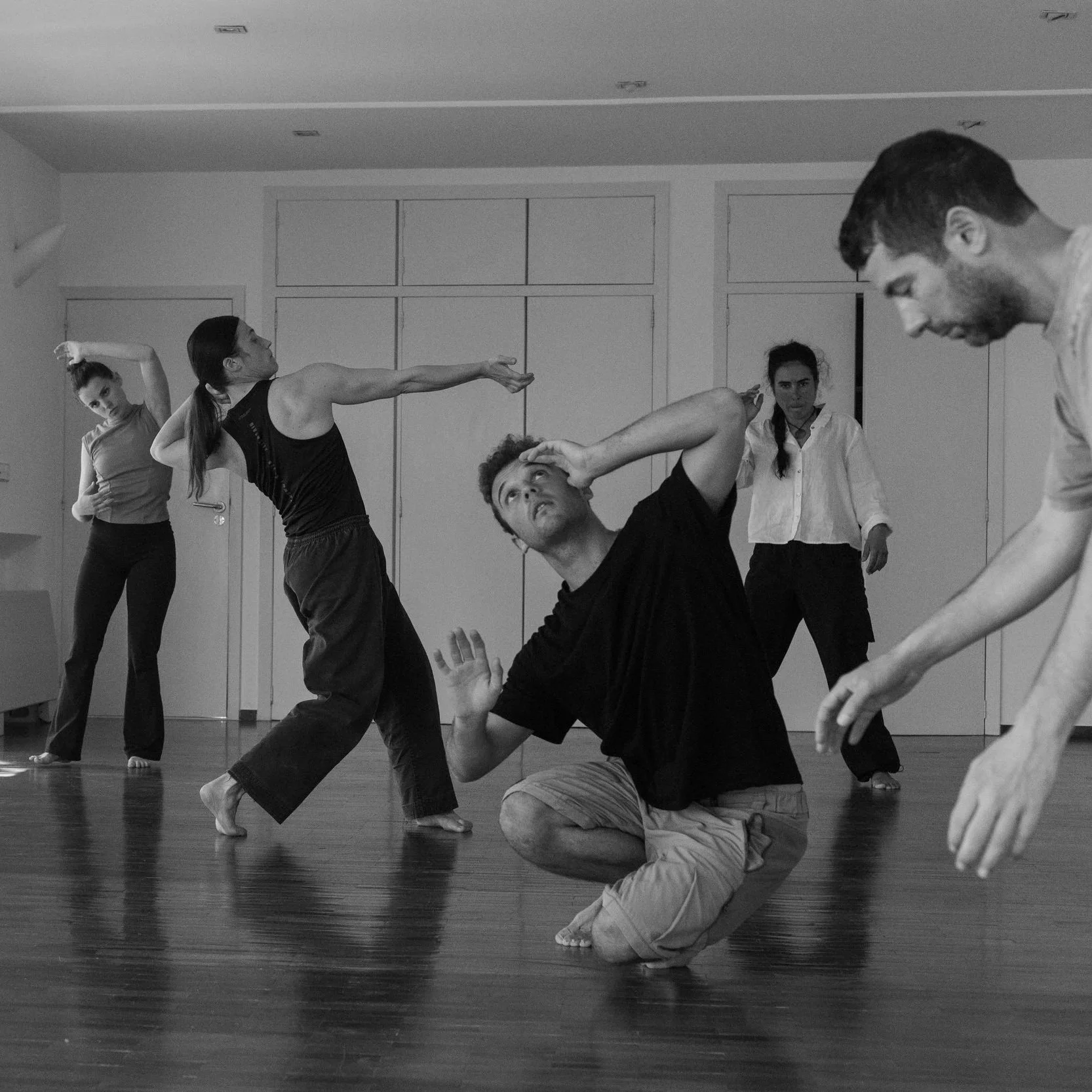
A weekly prompt that puts your attention and movement into slightly unfamiliar conditions, so your own patterns surface where you can see them.
Catch your patterns sooner - before they've finished running
Meet resistance by playing with it - rather than pushing against it
Let play back into what's gone automatic - work, movement, the people closest to you
52 games · one a week · a 60-minute lecture on making your own · delivered through a short mail · start any time
Play One Now
No need to wait for week one.
Wherever you're sitting: stop. Don't fix anything. Just notice where your hands have ended up, whatever's tight in your face, which shoulder is riding higher than the other. Keep breathing.
Now change one thing. Cross the other arm on top, or open a joint, or let your chin rise a little.
That's it. That's the game.
Not to sit better, though you might. The point is the half-second of separation, the small gap where you stopped being inside the posture and started seeing it.
That gap is where choice lives. Most of the games are different doors into it.
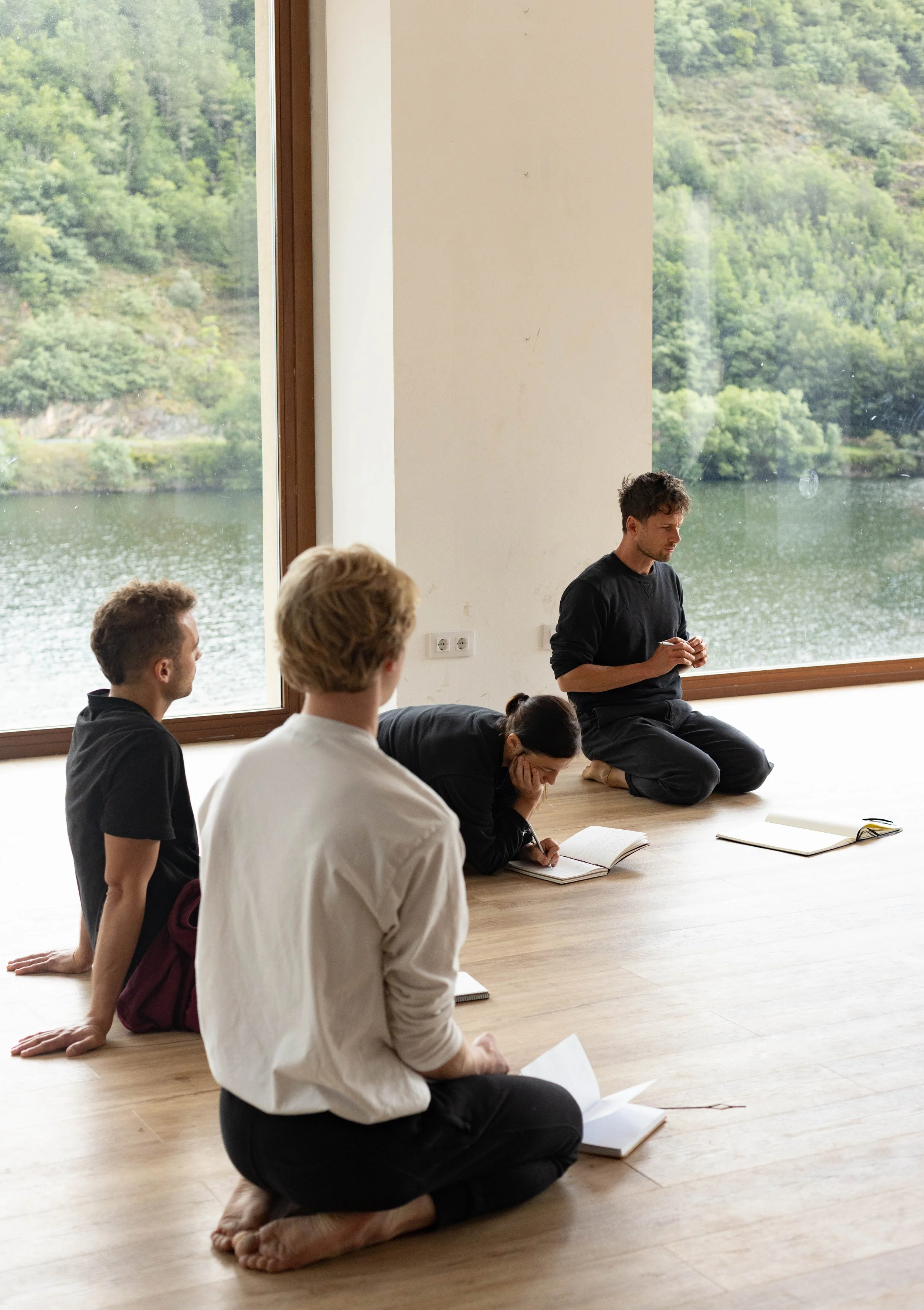
Freedom from habits is possible.
Play to move out of daily life.
WHAT YOU'LL PLAY WITH
Over a year, the games move through:
Uncertainty — how you handle not knowing what comes next, and what your body does before you've decided anything.
Coordination — what happens when the game needs another person, and where you take over or disappear.
Effort — the point where effort tips into too much, and then, just as suddenly, isn't there at all.
Posture and habit — the shapes you return to without choosing them, and what shifts when you interrupt one.
Attention — where it goes on its own, what it skips, and what you see when you send it somewhere else.
Play in the automatic — the parts of life that have stopped being interesting. Work, routines, the conversations you've had a hundred times.

What people say
"It's like playing Fight Club in daily life." — Loïc, startup consultant
"Great to see my routines in a different way without actually changing my life on the outside. Inner perspective shifts." — Anton, artist & surf coach
"The games easily became part of my day. Every time it's a fine realisation that I can look at it all from another point of view — which makes me live more lightly." — Lisa, professional dancer

Also Included
A 60-minute lecture on making your own games.
Once you've played a few, you start seeing where a game could go. This is how to build one - for yourself, and, if you coach, for the people you work with.
Ways to remember them.
A game is easy to play and easy to forget. You get a handful of simple ways to keep them in view over the year - so that what you remember isn't only the game, but the intent underneath it.
Why a game and not a lesson
If I tell you what I see in you - where you've gone rigid, where you brace before anyone's even said anything - you'll defend yourself. Everyone does.
So instead the game lets you catch it on your own, through the side door, where there's no one to argue with.
No analysis required. Sense first, and the meaning tends to follow on its own.
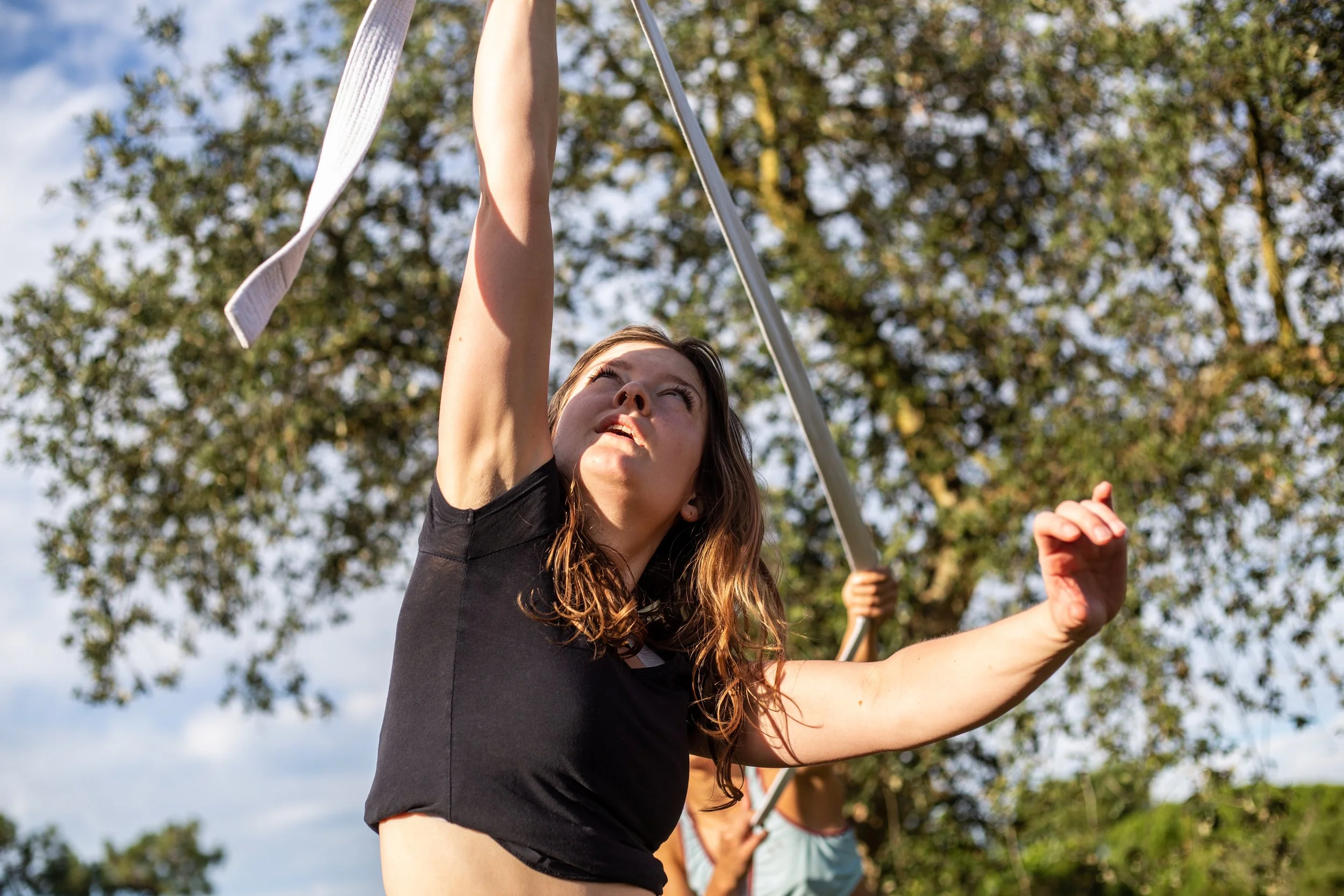
How to hold on?
Keep it so light that not doing it would be almost laughable.
The moment a game turns into one more thing to keep up with, it's lost the plot. These aren't reps to log. They're small wake-ups, and then you get on with your day.
Some people play every week. Others go quiet for a while and come back. Consistency isn't the point.
Who it’s for
You learn more by doing than by being told, and you'd rather poke around in something yourself than be handed the instructions.

Start to play
52 games. One a week. Plus a lecture on making your own. Start any time.
